West Nile Fever, often abbreviated as WNF, is a viral infection that has garnered significant attention due to its potential to cause severe illness in humans and animals. This disease, primarily transmitted through mosquito bites, poses a unique challenge to public health systems worldwide. Understanding the causes, symptoms, modes of transmission, and preventive measures is crucial for mitigating its impact on communities. In this article, we will delve into these aspects to provide a comprehensive overview of this condition.
What Causes West Nile Fever?
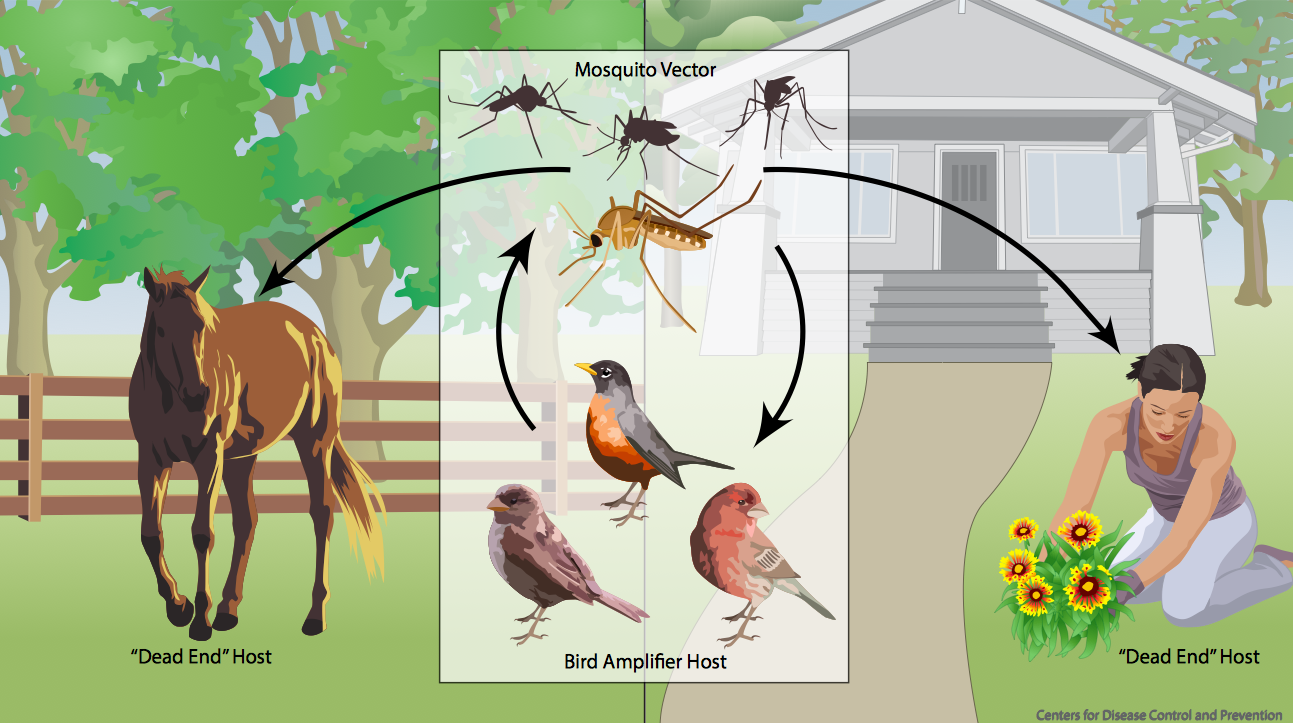
The primary cause of West Nile Fever is the West Nile virus, a member of the Flaviviridae family. This virus is closely related to other well-known pathogens such as those responsible for dengue fever and yellow fever. The virus is predominantly found in birds, which serve as its natural reservoir. Mosquitoes act as vectors, transmitting the virus from infected birds to humans and other mammals.
The lifecycle of the virus begins when mosquitoes feed on infected birds. Once inside the mosquito, the virus multiplies and becomes capable of infecting other hosts. When an infected mosquito bites a human or animal, the virus enters the bloodstream, leading to infection. Although most people who contract the virus remain asymptomatic, some may develop mild to severe symptoms, depending on their immune response and overall health.
Role of Birds in Virus Transmission
Birds play a critical role in the spread of the virus. Many bird species, especially crows and jays, are highly susceptible to infection and can carry high levels of the virus in their blood. These birds act as amplifying hosts, meaning they help increase the concentration of the virus in the environment. Mosquitoes that feed on these infected birds become carriers, perpetuating the cycle of transmission.
Symptoms of West Nile Fever
The symptoms of West Nile Fever can vary widely, ranging from mild flu-like symptoms to severe neurological complications. It is important to note that approximately eighty percent of individuals infected with the virus do not exhibit any symptoms at all. For those who do experience symptoms, the onset typically occurs between three to fourteen days after being bitten by an infected mosquito.
Mild Symptoms
- Fever
- Headache
- Body aches
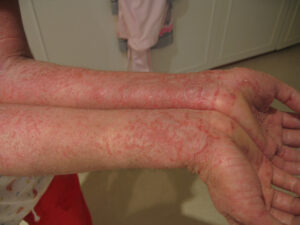
- Rash on the skin
- Swollen lymph nodes
These mild symptoms are often mistaken for the common cold or flu. Most people recover fully without requiring medical intervention, though fatigue and weakness may persist for weeks or even months.
Severe Symptoms
In rare cases, the virus can invade the central nervous system, leading to more severe manifestations. These include:
- High fever
- Stiff neck
- Disorientation or confusion
- Tremors or muscle weakness
- Seizures
- Paralysis
Individuals over the age of fifty or those with weakened immune systems are at a higher risk of developing severe symptoms. In extreme cases, the infection can lead to encephalitis (inflammation of the brain) or meningitis (inflammation of the membranes surrounding the brain and spinal cord), both of which require immediate medical attention.
How is West Nile Fever Transmitted?
The primary mode of transmission for West Nile Fever is through the bite of an infected mosquito. However, there are other less common ways in which the virus can spread.
Mosquito-Borne Transmission
Mosquitoes belonging to the Culex species are the main vectors responsible for transmitting the virus. These mosquitoes thrive in warm climates and are most active during dawn and dusk. They breed in stagnant water, making areas with poor drainage or standing water particularly prone to outbreaks.
Other Modes of Transmission
While mosquito bites account for the majority of cases, the virus can also spread through:
- Blood transfusions: Although rare, contaminated blood products can transmit the virus. Blood banks now screen donations to minimize this risk.
- Organ transplants: Similar to blood transfusions, infected organs can pass the virus to recipients.
- Mother-to-child transmission: Pregnant women infected with the virus may transmit it to their unborn child, though this is uncommon.
- Laboratory exposure: Researchers working with the virus in laboratory settings are at risk if proper safety protocols are not followed.
Prevention of West Nile Fever
Preventing West Nile Fever involves a combination of personal protective measures and community-wide efforts to control mosquito populations. Since there is currently no vaccine available for humans, prevention remains the cornerstone of managing this disease.
Personal Protective Measures
Individuals can take several steps to reduce their risk of contracting the virus:
- Use insect repellent: Apply EPA-approved insect repellents containing DEET, picaridin, or oil of lemon eucalyptus to exposed skin.
- Wear protective clothing: Long sleeves, pants, and socks can help minimize skin exposure to mosquitoes.
- Avoid peak mosquito activity: Stay indoors during dawn and dusk when mosquitoes are most active.
- Install screens: Ensure windows and doors have tight-fitting screens to keep mosquitoes out.
Community-Based Interventions
Governments and public health organizations play a vital role in preventing outbreaks through large-scale interventions:
- Mosquito control programs: Regular monitoring and treatment of standing water sources can significantly reduce mosquito breeding grounds.
- Public awareness campaigns: Educating communities about the risks and preventive measures helps empower individuals to protect themselves.
- Surveillance systems: Monitoring bird and mosquito populations allows authorities to detect outbreaks early and respond promptly.
Managing Standing Water
One of the most effective ways to curb mosquito populations is by eliminating standing water around homes and neighborhoods. Common sources of standing water include:
- Birdbaths
- Unused swimming pools
- Flowerpot saucers
- Clogged gutters
- Discarded tires
Regularly emptying or treating these areas can disrupt the mosquito life cycle and reduce the likelihood of transmission.
Diagnosis and Treatment of West Nile Fever
Diagnosing West Nile Fever can be challenging due to its nonspecific symptoms. Healthcare providers rely on clinical evaluation, patient history, and laboratory tests to confirm the presence of the virus.
Diagnostic Methods
- Blood tests: These detect antibodies produced by the immune system in response to the virus.
- Cerebrospinal fluid analysis: A lumbar puncture may be performed to check for signs of inflammation in cases of suspected neurological involvement.
Early diagnosis is essential for managing severe cases effectively.
Treatment Options
There is no specific antiviral treatment for West Nile Fever. Management focuses on alleviating symptoms and providing supportive care:
- Pain relievers and anti-inflammatory medications for fever and body aches
- Intravenous fluids for dehydration
- Hospitalization for severe cases requiring intensive care
Recovery times vary depending on the severity of the infection, with some individuals experiencing prolonged fatigue and weakness.
Global Impact and Ongoing Research
West Nile Fever has been reported in numerous countries across Africa, Europe, the Middle East, North America, and parts of Asia. Its global reach underscores the importance of continued research into understanding the virus and developing targeted interventions.
Current Research Efforts
Scientists are actively exploring various avenues to combat the disease:
- Vaccine development: Efforts are underway to create a safe and effective vaccine for humans.
- Improved diagnostics: Faster and more accurate testing methods are being developed to aid in early detection.
- Vector control innovations: New technologies aim to reduce mosquito populations more efficiently and sustainably.
Collaborative efforts between researchers, healthcare providers, and policymakers are essential to address the challenges posed by this disease.