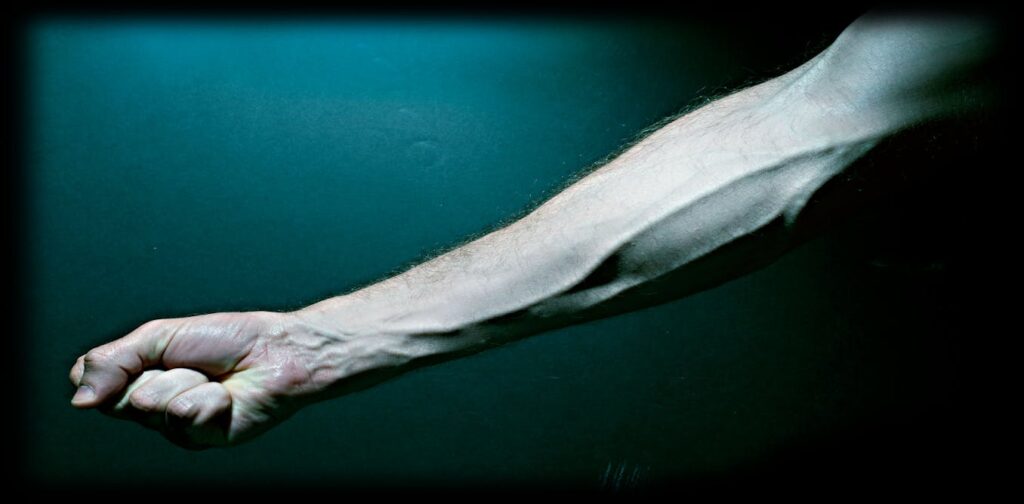

Varicose veins, often referred to as VV in medical discussions, are swollen, twisted veins that can be seen just under the surface of the skin. These veins most commonly appear in the legs and feet due to the increased pressure on the veins in these areas. While they may seem like a purely cosmetic issue, varicose veins can sometimes cause discomfort and lead to more serious health problems if left untreated. In this article, we will explore the causes, symptoms, diagnosis, and treatment options for varicose veins.
What Are Varicose Veins?
Varicose veins occur when the valves within the veins malfunction, causing blood to flow backward and pool in the veins. This pooling leads to the veins becoming enlarged and twisted. Unlike arteries, which carry blood away from the heart, veins return blood to the heart. To prevent blood from flowing backward, veins contain small valves that open and close. When these valves weaken or fail, blood collects in the veins, leading to their enlargement and distortion.
Common Areas Affected by Varicose Veins
- Legs
- Feet
- Occasionally, other parts of the body such as the pelvis
Causes of Varicose Veins
The development of varicose veins is influenced by several factors. Understanding these causes can help individuals take preventive measures and seek appropriate treatment.
Weakened Vein Valves
The primary cause of varicose veins is the weakening or damage to the valves within the veins. When these valves do not function properly, blood flows backward and accumulates in the veins, causing them to stretch and twist.
Age-Related Changes
As people age, the wear and tear on vein valves increase. Over time, the elasticity of veins decreases, making it harder for them to return blood to the heart efficiently. This natural aging process makes older adults more susceptible to developing varicose veins.
Genetic Predisposition
Family history plays a significant role in the likelihood of developing varicose veins. If your parents or close relatives have varicose veins, you are at a higher risk of experiencing the same condition.
Prolonged Standing or Sitting
Occupations or lifestyles that require long periods of standing or sitting can increase the risk of varicose veins. When you remain in one position for an extended period, blood does not circulate as effectively, leading to increased pressure on the veins in the legs.
Hormonal Changes
Hormonal fluctuations, particularly during pregnancy, menopause, or while taking birth control pills, can weaken vein walls and contribute to the development of varicose veins. Women are more likely than men to develop this condition due to these hormonal changes.
Obesity
Excess body weight places additional pressure on the veins, especially those in the legs. This added strain can lead to the formation of varicose veins over time.
Symptoms of Varicose Veins
While some people with varicose veins experience no symptoms, others may notice various signs that indicate the presence of this condition.
Visible Signs
- Enlarged, twisted veins visible beneath the skin
- Veins that appear blue or dark purple
Physical Discomfort
- Aching or heavy feeling in the legs
- Burning, throbbing, or cramping sensations
- Swelling in the lower legs
- Itching around the affected veins
Worsening Symptoms
Symptoms of varicose veins often worsen after prolonged periods of standing or sitting. Some individuals may also experience pain that intensifies later in the day or after physical activity.
Diagnosis of Varicose Veins
If you suspect you have varicose veins, it is important to consult a healthcare professional for an accurate diagnosis. The diagnostic process typically involves a combination of physical examination and specialized tests.
Physical Examination
During a physical examination, a doctor will visually inspect your legs while you are standing to check for signs of swelling or visible veins. They may also ask about any pain or discomfort you are experiencing.
Ultrasound Imaging
An ultrasound is a common diagnostic tool used to examine the structure and function of veins. This non-invasive test uses sound waves to create images of the veins and assess blood flow. It helps identify valve malfunctions and areas where blood is pooling.
Doppler Test
A Doppler test is another type of ultrasound that evaluates blood flow through the veins. This test can determine whether blood is flowing in the correct direction or if there is any backward flow due to faulty valves.
Treatment Options for Varicose Veins
There are several treatment options available for managing varicose veins, ranging from lifestyle changes to medical procedures. The choice of treatment depends on the severity of the condition and the symptoms experienced by the individual.
Lifestyle Modifications
For mild cases of varicose veins, lifestyle changes can often alleviate symptoms and prevent further progression.
- Exercise: Regular physical activity, such as walking or swimming, improves circulation and strengthens leg muscles, which can help support the veins.
- Elevation: Elevating your legs above heart level for short periods throughout the day can reduce swelling and improve blood flow.
- Compression Stockings: Wearing compression stockings applies gentle pressure to the legs, helping blood move more efficiently toward the heart.
- Weight Management: Maintaining a healthy weight reduces pressure on the veins and minimizes the risk of developing varicose veins.
Medical Procedures
In cases where lifestyle changes are insufficient, medical interventions may be necessary to treat varicose veins effectively.
Sclerotherapy
Sclerotherapy involves injecting a solution directly into the affected vein. This solution irritates the lining of the vein, causing it to collapse and eventually fade away. Sclerotherapy is commonly used for smaller varicose veins and spider veins.
Laser Treatment
Laser treatment uses bursts of light energy to close off smaller varicose veins. This procedure is minimally invasive and does not require incisions or needles.
Endovenous Ablation Therapy
This procedure uses heat generated by laser or radiofrequency energy to seal off larger varicose veins. A thin tube, or catheter, is inserted into the vein, and the heat collapses the vein, redirecting blood flow to healthier veins.
Vein Stripping
Vein stripping is a surgical procedure in which the affected vein is removed through small incisions. This option is typically reserved for severe cases of varicose veins that do not respond to less invasive treatments.
Ambulatory Phlebectomy
Ambulatory phlebectomy involves removing smaller varicose veins through tiny punctures in the skin. This outpatient procedure is performed under local anesthesia and leaves minimal scarring.
Preventive Measures
While not all cases of varicose veins can be prevented, certain measures can reduce the risk of developing this condition or slow its progression.
- Avoid prolonged periods of standing or sitting; take breaks to move around regularly.
- Elevate your legs whenever possible to improve circulation.
- Maintain a healthy diet rich in fiber to prevent constipation, which can increase pressure on the veins.
- Stay hydrated to promote overall vascular health.
When to Seek Medical Attention
While many cases of varicose veins are harmless, certain symptoms warrant immediate medical attention. These include:
- Sudden swelling, redness, or warmth in the leg, which could indicate a blood clot.
- Severe pain or discomfort that interferes with daily activities.
- Open sores or ulcers near the ankle, which may result from poor circulation.
If you experience any of these symptoms, it is crucial to consult a healthcare provider promptly to rule out complications such as deep vein thrombosis or chronic venous insufficiency.