
Tardive Dyskinesia, often abbreviated as TD, is a neurological disorder that causes involuntary and repetitive movements, primarily affecting the face, tongue, and limbs. It is most commonly associated with the long-term use of certain medications used to treat mental health conditions. While this condition can be distressing for those who experience it, understanding its causes, symptoms, diagnosis, and treatment options can help individuals manage their symptoms more effectively.
What Causes Tardive Dyskinesia?
The primary cause of Tardive Dyskinesia lies in the prolonged use of medications known as antipsychotics. These medications are typically prescribed to manage conditions such as schizophrenia, bipolar disorder, and severe depression. Antipsychotics work by altering the levels of dopamine, a neurotransmitter in the brain. However, when these medications are used over extended periods, they can disrupt the normal functioning of dopamine pathways, leading to abnormal movements characteristic of this condition.
Risk Factors
- Duration of Medication Use: The longer a person takes antipsychotic medications, the higher the risk of developing this condition.
- Type of Medication: Older or “typical” antipsychotics are more likely to cause this condition compared to newer or “atypical” antipsychotics.
- Age: Older adults, particularly those over the age of 55, are at a higher risk.
- Gender: Women are more likely than men to develop this condition, especially postmenopausal women.
- Substance Use: Alcohol and drug abuse can increase the likelihood of developing this condition.
Symptoms of Tardive Dyskinesia
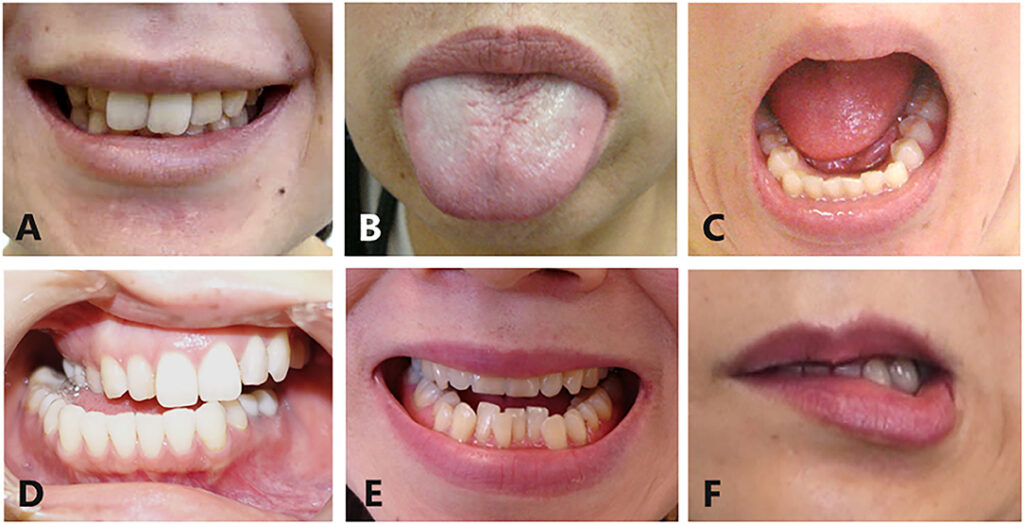
The hallmark of this condition is the presence of involuntary movements that are often repetitive and uncontrollable. These movements can vary in severity and may worsen over time if left untreated. Some of the most common symptoms include:
Movements of the Face and Mouth
- Grimacing or making unusual facial expressions
- Puckering or smacking of the lips
- Protrusion or rapid movement of the tongue
- Chewing motions even when not eating
Movements of the Limbs
- Finger tapping or wriggling
- Foot tapping or leg swinging
- Jerking or flailing of the arms
Other Symptoms
- Difficulty speaking due to involuntary jaw movements
- Impaired breathing caused by throat muscle contractions
- Restlessness or an inability to sit still
It is important to note that these symptoms may initially be subtle and mistaken for other conditions, such as Parkinson’s disease or essential tremor. Therefore, recognizing these signs early is crucial for timely intervention.
Diagnosis of Tardive Dyskinesia
Diagnosing this condition requires a thorough evaluation by a healthcare professional, typically a neurologist or psychiatrist. There is no single test to confirm the presence of this condition, so the diagnostic process involves ruling out other potential causes of the symptoms.
Medical History
The first step in diagnosing this condition is taking a detailed medical history. The healthcare provider will ask about the patient’s current medications, including the type, dosage, and duration of use. They will also inquire about any pre-existing medical conditions or family history of movement disorders.
Physical Examination
A physical examination is conducted to observe the patient’s movements. The healthcare provider will look for specific patterns of involuntary movements, such as lip smacking, tongue protrusion, or finger tapping. These observations are critical in distinguishing this condition from other movement disorders.
Diagnostic Tools
In some cases, additional tests may be necessary to rule out other conditions. These may include:
- Blood tests to check for underlying metabolic or neurological issues
- Imaging studies, such as magnetic resonance imaging (MRI), to assess brain structure and function
- Electromyography (EMG) to measure electrical activity in muscles
Treatment Options for Tardive Dyskinesia
While there is no definitive cure for this condition, several treatment strategies can help manage symptoms and improve quality of life. The choice of treatment depends on the severity of symptoms, the patient’s overall health, and their response to previous interventions.
Medication Adjustments
In many cases, reducing the dosage of antipsychotic medications or switching to a different type of medication can alleviate symptoms. However, this must be done under the guidance of a healthcare professional, as abruptly stopping antipsychotics can lead to a worsening of the underlying mental health condition.
Medications Specifically for Tardive Dyskinesia
Several medications have been approved specifically to treat this condition. These include:
- Vesicular Monoamine Transporter 2 Inhibitors: These medications work by regulating dopamine levels in the brain and have shown efficacy in reducing involuntary movements.
- Ginkgo Biloba Extract: Some studies suggest that this herbal supplement may help reduce symptoms, although more research is needed to confirm its effectiveness.
Non-Pharmacological Approaches
In addition to medications, non-pharmacological treatments can complement traditional therapies. These include:
- Physical Therapy: Exercises designed to improve muscle control and coordination can help reduce the severity of involuntary movements.
- Speech Therapy: For patients experiencing difficulty speaking, speech therapy can improve articulation and communication skills.
- Behavioral Interventions: Techniques such as biofeedback and relaxation exercises may help patients gain better control over their movements.
Lifestyle Modifications
Making certain lifestyle changes can also play a role in managing symptoms. These include:
- Avoiding alcohol and recreational drugs, which can exacerbate symptoms
- Maintaining a healthy diet and staying hydrated to support overall brain health
- Engaging in regular physical activity to improve muscle tone and coordination
Living with Tardive Dyskinesia
For individuals living with this condition, coping with the physical and emotional challenges can be difficult. Support from family, friends, and healthcare providers is essential in helping them navigate their daily lives. Joining a support group can also provide a sense of community and shared understanding, allowing individuals to connect with others facing similar challenges.
Tips for Caregivers
Caregivers play a vital role in supporting loved ones with this condition. Here are some tips for caregivers:
- Educate yourself about the condition to better understand its impact
- Encourage open communication and listen to the concerns of your loved one
- Help create a safe environment to minimize the risk of injury from involuntary movements
- Assist with scheduling and attending medical appointments
By fostering a supportive and understanding environment, caregivers can make a significant difference in the lives of those affected by this condition.