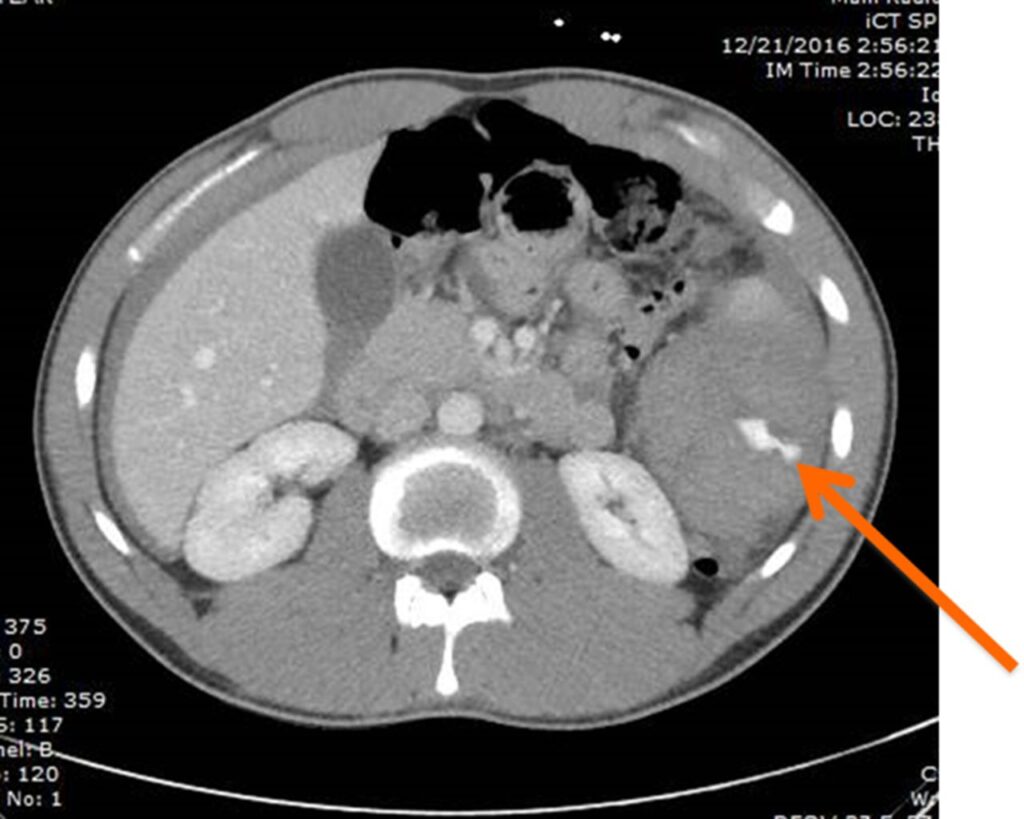

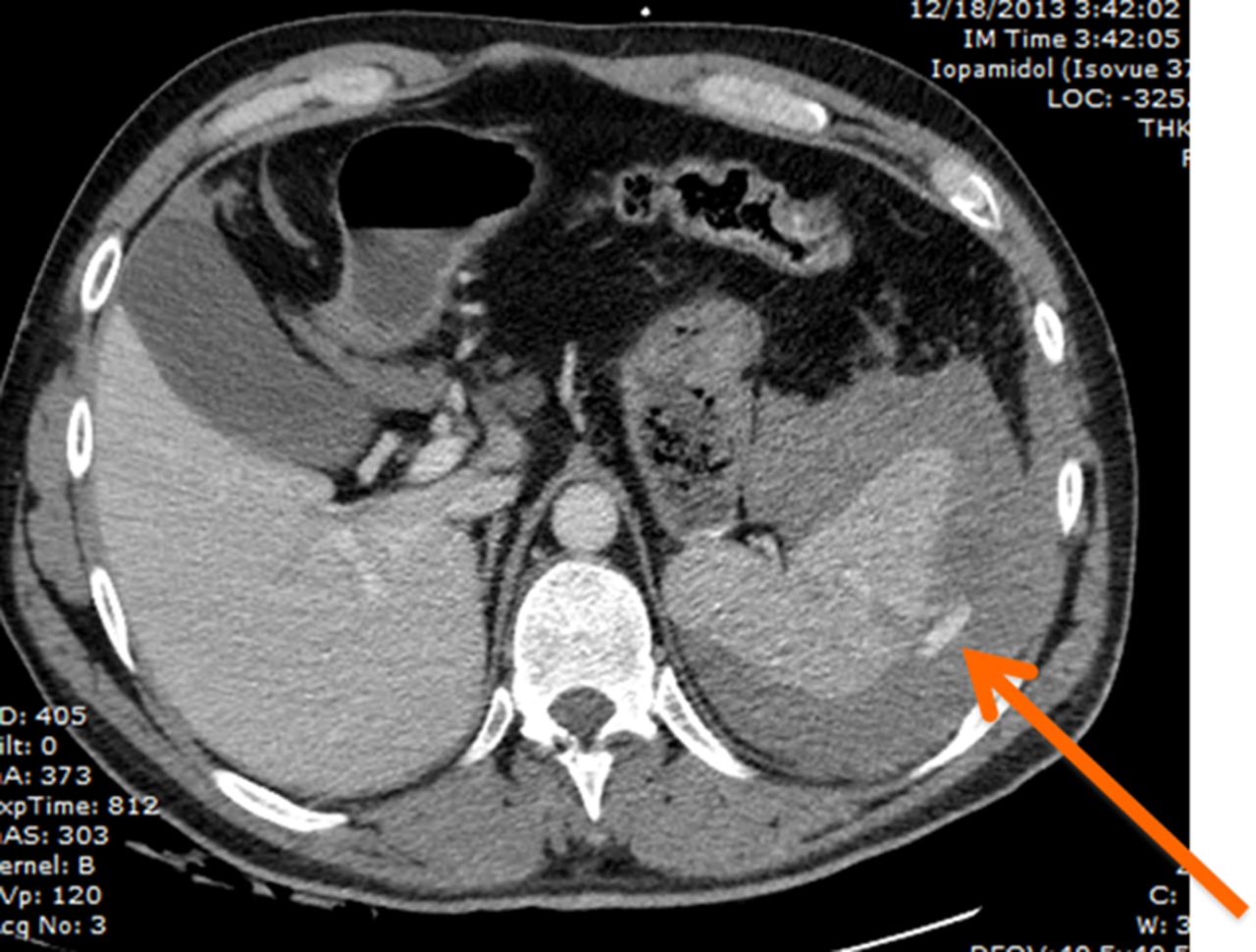
A spleen rupture, also known as a splenic rupture, is a serious medical condition that requires immediate attention. The spleen, an organ located in the upper left part of the abdomen, plays a vital role in filtering blood, storing platelets, and supporting the immune system. When this organ is damaged or ruptured, it can lead to life-threatening internal bleeding. Understanding the causes, symptoms, diagnosis, and treatment options for spleen rupture is crucial for both patients and healthcare providers.
What Is a Spleen Rupture?
The spleen is a small, fist-shaped organ situated under the ribcage on the left side of the body. While it is protected by the ribs, it is still vulnerable to injury due to its delicate structure. A spleen rupture occurs when the outer layer of the spleen tears, causing blood to leak into the abdominal cavity. This condition can result from trauma, underlying diseases, or even spontaneously in rare cases.
How Common Is a Spleen Rupture?
- Spleen ruptures are relatively uncommon but are considered a medical emergency when they occur.
- They account for approximately ten percent of all abdominal injuries caused by trauma.
- Individuals with certain medical conditions, such as an enlarged spleen, are at a higher risk of experiencing a rupture.
Causes of Spleen Rupture
A spleen rupture can be caused by a variety of factors, ranging from physical trauma to underlying health conditions. Below are some of the most common causes:
Physical Trauma
One of the leading causes of spleen rupture is blunt force trauma to the abdomen. This type of injury can occur in various scenarios, including:
- Car Accidents: High-impact collisions can cause the spleen to rupture due to the force exerted on the abdomen.
- Falls: Falling from a significant height or landing directly on the abdomen can damage the spleen.
- Sports Injuries: Contact sports like football, rugby, or boxing may result in direct blows to the abdomen, leading to a rupture.
- Assaults: Physical attacks involving punches or kicks to the abdomen can also cause this condition.
Underlying Medical Conditions
Certain diseases and conditions can weaken the spleen, making it more susceptible to rupture. These include:
- Infectious Mononucleosis: Also known as mono, this viral infection can cause the spleen to enlarge, increasing the risk of rupture.
- Blood Disorders: Conditions like hemolytic anemia or sickle cell disease can affect the spleen’s structure and function.
- Liver Disease: Liver problems, such as cirrhosis, can lead to portal hypertension, which may cause the spleen to swell.
- Cancers: Blood cancers like leukemia or lymphoma can compromise the spleen’s integrity.
Spontaneous Rupture
In rare cases, the spleen can rupture without any apparent cause. This phenomenon, known as spontaneous spleen rupture, is often linked to infections or undiagnosed medical conditions.
Symptoms of Spleen Rupture
Recognizing the symptoms of a spleen rupture is critical for seeking timely medical intervention. The signs and symptoms can vary depending on the severity of the rupture and the amount of internal bleeding. Common symptoms include:
Pain in the Abdomen
The most prominent symptom of a spleen rupture is pain in the upper left side of the abdomen. This pain may:
- Feel sharp or stabbing initially and then become dull and persistent.
- Radiate to the left shoulder, a phenomenon known as Kehr’s sign.
- Worsen with movement, deep breathing, or coughing.
Tenderness and Swelling
Patients may experience tenderness when pressure is applied to the abdomen. Additionally, the abdomen might appear swollen due to internal bleeding.
Signs of Internal Bleeding
Internal bleeding from a spleen rupture can lead to symptoms such as:
- Dizziness or lightheadedness.
- Rapid heart rate.
- Low blood pressure.
- Pale skin and cold sweats.
- Confusion or loss of consciousness in severe cases.
Diagnosis of Spleen Rupture
Diagnosing a spleen rupture involves a combination of physical examinations, imaging tests, and laboratory analyses. Prompt and accurate diagnosis is essential to prevent complications.
Physical Examination
During a physical exam, a healthcare provider will:
- Check for signs of abdominal pain, tenderness, and swelling.
- Assess vital signs, such as blood pressure and heart rate, to detect signs of shock.
- Look for bruising or other visible signs of trauma.
Imaging Tests
Imaging tests are crucial for confirming a spleen rupture. These include:
- Ultrasound: This non-invasive test uses sound waves to create images of the abdomen and identify internal bleeding.
- Computed Tomography (CT) Scan: A CT scan provides detailed images of the spleen and surrounding structures, helping to assess the extent of the injury.
- Magnetic Resonance Imaging (MRI): Although less commonly used, MRI can provide additional information in complex cases.
Laboratory Tests
Blood tests may be conducted to evaluate the patient’s overall health and detect signs of internal bleeding. These tests include:
- A complete blood count to check for low red blood cell levels.
- Tests to measure clotting factors and assess liver function.
Treatment Options for Spleen Rupture
The treatment for a spleen rupture depends on the severity of the injury, the patient’s overall health, and the presence of other complications. Treatment options range from conservative management to surgical intervention.
Non-Surgical Management
In cases where the rupture is minor and there is no significant internal bleeding, non-surgical approaches may be sufficient. These include:
- Observation: Patients are closely monitored in a hospital setting to ensure the condition does not worsen.
- Rest: Bed rest is often recommended to minimize further injury to the spleen.
- Pain Management: Medications may be prescribed to alleviate pain and discomfort.
- Blood Transfusions: If there is mild internal bleeding, blood transfusions may be administered to stabilize the patient.
Surgical Intervention
For severe cases of spleen rupture, surgery is often necessary to stop the bleeding and repair or remove the damaged organ. Surgical options include:
- Splenorrhaphy: This procedure involves repairing the tear in the spleen using sutures or other techniques.
- Splenectomy: In cases where the spleen is severely damaged, it may need to be removed entirely. This procedure is called a splenectomy.
Risks of Splenectomy
While a splenectomy can save a patient’s life, it also carries risks, including:
- An increased susceptibility to infections, as the spleen plays a key role in the immune system.
- The need for lifelong vaccinations to protect against certain bacteria and viruses.
Post-Treatment Care
After treatment, patients require careful follow-up care to ensure proper recovery. This includes:
- Regular check-ups with a healthcare provider to monitor healing.
- Avoiding strenuous activities for several weeks to prevent re-injury.
- Taking prescribed medications as directed.
Preventing Spleen Rupture
While not all cases of spleen rupture can be prevented, certain measures can reduce the risk:
- Wearing seat belts while driving to minimize the impact of car accidents.
- Using protective gear during contact sports to shield the abdomen.
- Managing underlying health conditions, such as infectious mononucleosis, to prevent complications.
- Seeking prompt medical attention for any abdominal pain or trauma.