
Ringworm, also known as tinea, is a common fungal infection that affects the skin, scalp, or nails. Despite its name, it is not caused by worms but rather by a group of fungi called dermatophytes. These fungi thrive in warm, moist environments and can spread easily from person to person, animals, or contaminated objects. This article will explore the causes, symptoms, types, and treatments of ringworm to help you better understand this condition and how to manage it effectively.
What Causes Ringworm?
The primary cause of ringworm is a group of fungi known as dermatophytes. These fungi feed on keratin, a protein found in the outer layer of the skin, hair, and nails. The following factors contribute to the development and spread of ringworm:
- Direct Contact: Touching an infected person or animal can lead to the transmission of the fungi.
- Indirect Contact: Sharing personal items like towels, combs, or clothing with an infected individual can spread the infection.
- Environmental Factors: Warm and humid conditions create an ideal environment for fungi to grow and multiply.
- Weakened Immune System: Individuals with compromised immune systems are more susceptible to fungal infections, including ringworm.
- Poor Hygiene: Inadequate cleanliness and improper drying of the skin after bathing or swimming can increase the risk of infection.
Symptoms of Ringworm
Ringworm presents itself differently depending on the area of the body affected. However, some common symptoms include:
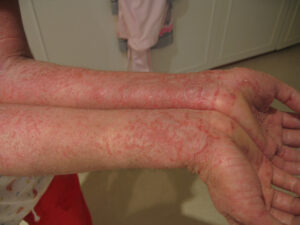
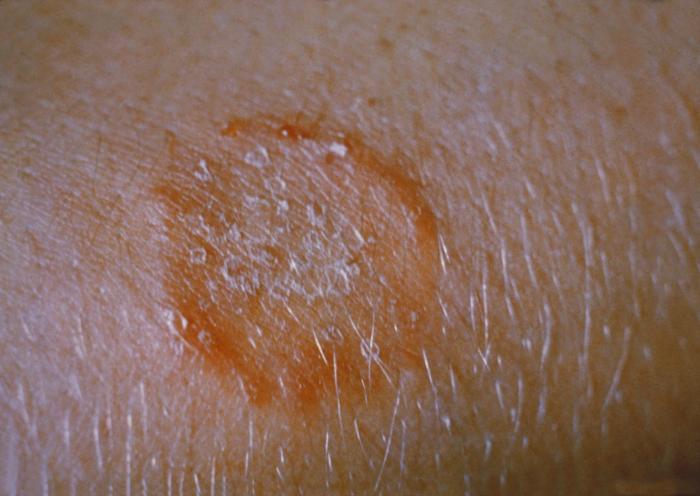
- Rash: A circular or ring-shaped rash is the hallmark symptom of ringworm. The edges of the rash are often raised, red, and scaly, while the center may appear clearer or less inflamed.
- Itching: The infected area may become itchy, causing discomfort and irritation.
- Redness: The skin around the infected area may turn red and inflamed.
- Dry or Scaly Skin: The affected area may feel dry, flaky, or rough to the touch.
- Hair Loss: If the infection occurs on the scalp, it may lead to patches of hair loss.
- Blisters or Pus-Filled Sores: In severe cases, the rash may develop blisters or sores that ooze pus.
Types of Ringworm
Ringworm can affect various parts of the body, and each type has its own specific characteristics. Below are the most common types of ringworm:
1. Ringworm of the Body (Tinea Corporis)
This type of ringworm affects the skin on the arms, legs, and trunk. It is characterized by a ring-shaped rash with a raised, scaly border. The rash may be itchy and can spread if left untreated.
2. Ringworm of the Scalp (Tinea Capitis)
Tinea capitis primarily affects children and occurs on the scalp. It can cause patches of hair loss, scaly skin, and sometimes swollen lymph nodes. In severe cases, it may lead to the formation of kerion, a painful, pus-filled lump on the scalp.
3. Ringworm of the Groin (Tinea Cruris)
Also known as “jock itch,” this type of ringworm affects the groin area, inner thighs, and buttocks. It is more common in men and athletes who sweat heavily. The rash is typically red, itchy, and may have a distinct border.
4. Ringworm of the Feet (Tinea Pedis)
Tinea pedis, commonly referred to as athlete’s foot, affects the feet, particularly the spaces between the toes. Symptoms include itching, burning, cracked skin, and blisters. It thrives in warm, damp environments like locker rooms and swimming pools.
5. Ringworm of the Nails (Tinea Unguium)
This type of ringworm infects the nails, causing them to become thick, discolored, and brittle. It is more common in toenails than fingernails and can be challenging to treat.
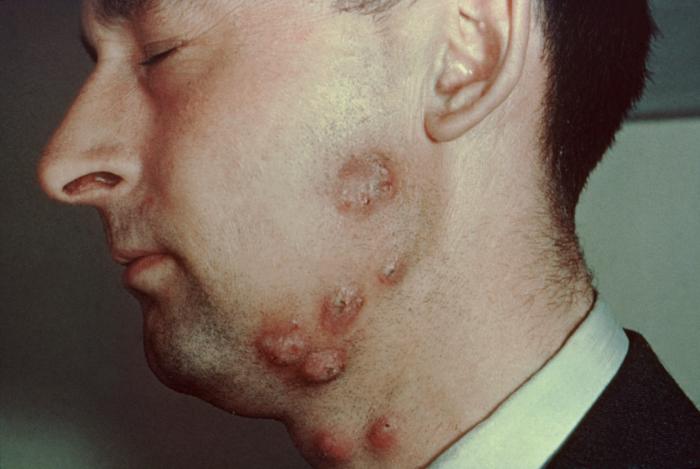
6. Ringworm of the Beard (Tinea Barbae)
Tinea barbae affects the facial hair and skin around the beard area. It causes redness, swelling, and pustules, often resembling acne or bacterial infections.
Treatment Options for Ringworm
Treating ringworm involves eliminating the fungal infection and relieving symptoms. The treatment approach depends on the severity and location of the infection. Below are the most common treatment options:
1. Topical Antifungal Medications
For mild cases of ringworm, over-the-counter topical antifungal creams, ointments, or sprays are often sufficient. These medications work by killing the fungi responsible for the infection. Common ingredients include:
- Clotrimazole
- Miconazole
- Tolnaftate
- Terbinafine
It is essential to apply these medications as directed and continue using them for at least one to two weeks after the symptoms disappear to prevent recurrence.
2. Oral Antifungal Medications
In more severe cases, such as ringworm of the scalp or nails, oral antifungal medications may be necessary. These medications are prescribed by a healthcare provider and include:
- Griseofulvin
- Itraconazole
- Fluconazole
- Terbinafine
Oral medications are typically taken for several weeks or months, depending on the type and severity of the infection. They may cause side effects, so it is crucial to follow your doctor’s instructions carefully.
3. Home Remedies and Preventive Measures
In addition to medical treatments, certain home remedies and preventive measures can help manage ringworm and reduce the risk of spreading the infection:
- Keep the Area Clean and Dry: Wash the infected area daily with soap and water, and ensure it is thoroughly dried afterward.
- Avoid Scratching: Scratching can worsen the infection and lead to secondary bacterial infections.
- Wear Loose Clothing: Tight clothing can trap moisture and create an ideal environment for fungi to thrive.
- Disinfect Personal Items: Wash towels, bedding, and clothing in hot water to kill any lingering fungi.
- Use Natural Remedies: Some people find relief with natural treatments like tea tree oil, apple cider vinegar, or coconut oil, which have antifungal properties.
4. Professional Medical Care
If over-the-counter treatments do not improve the condition within two weeks or if the infection spreads, it is essential to seek professional medical care. A healthcare provider can perform tests, such as a skin scraping or biopsy, to confirm the diagnosis and recommend appropriate treatment.
Preventing the Spread of Ringworm
Preventing ringworm involves practicing good hygiene and taking precautions to avoid exposure to the fungi. Here are some tips to reduce the risk of infection:
- Avoid Sharing Personal Items: Do not share towels, combs, hats, or clothing with others.
- Wear Footwear in Public Areas: Always wear sandals or flip-flops in locker rooms, showers, and pool areas.
- Keep Pets Clean: Regularly groom and inspect pets for signs of ringworm, as animals can carry and transmit the infection.
- Wash Hands Frequently: Proper hand hygiene can help prevent the spread of fungi.
- Maintain a Healthy Lifestyle: A strong immune system can help protect against fungal infections.
By understanding the causes, symptoms, types, and treatments of ringworm, individuals can take proactive steps to manage and prevent this common fungal infection. Early diagnosis and treatment are key to ensuring a quick recovery and minimizing the risk of complications.