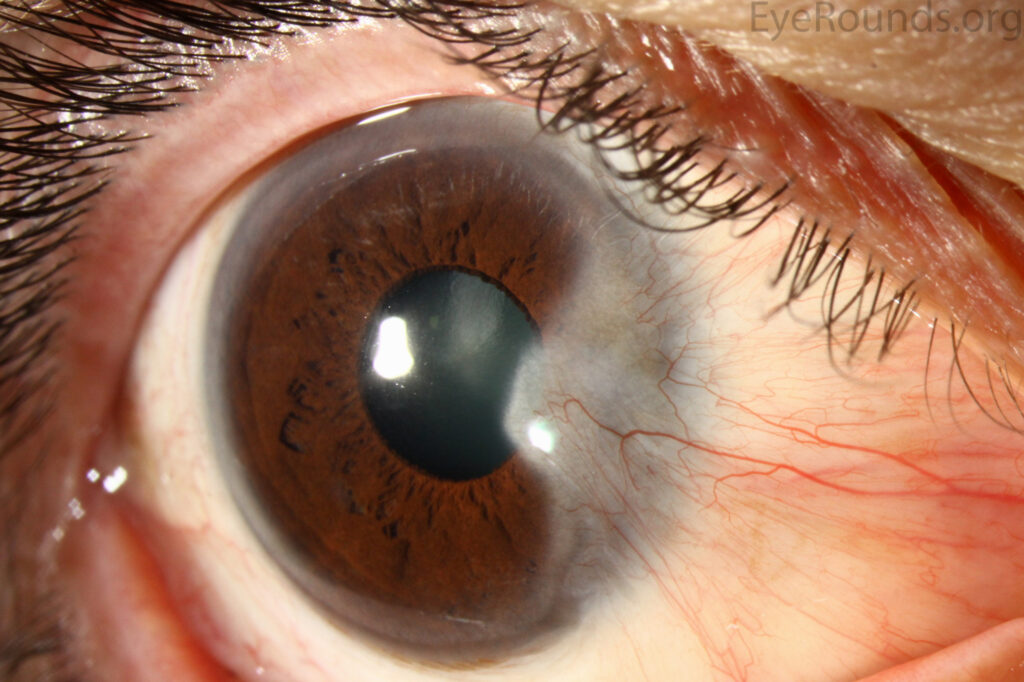

Pterygium, often abbreviated as PTG, is a common eye condition that affects millions of people worldwide. It is characterized by the growth of a fleshy, triangular-shaped tissue on the surface of the eye, typically starting from the inner corner near the nose and extending toward the pupil. While this condition is not cancerous, it can cause discomfort, vision problems, and aesthetic concerns if left untreated. In this article, we will explore the causes, symptoms, and treatment options for this condition in detail.
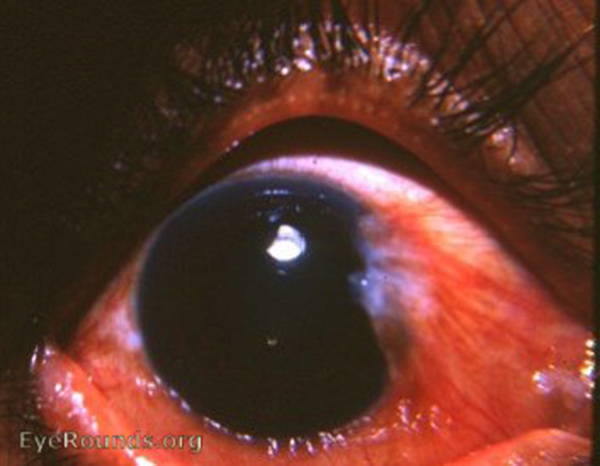
Understanding Pterygium
Pterygium is derived from a Greek word meaning “wing,” which aptly describes its appearance. The condition usually develops slowly over time and is more prevalent in individuals who spend significant amounts of time outdoors. It primarily affects the conjunctiva, which is the thin, transparent layer of tissue covering the white part of the eye, and may eventually encroach upon the cornea, the clear front surface of the eye.
Who Is at Risk?
- Individuals living in sunny, dry, or dusty environments
- People who work outdoors without proper eye protection
- Those with a history of prolonged exposure to ultraviolet light
- Older adults, as the risk increases with age
Causes of Pterygium
The exact cause of pterygium remains unclear, but several factors are believed to contribute to its development. These include environmental influences, genetic predisposition, and chronic irritation of the eyes.
Environmental Factors
One of the primary causes of pterygium is prolonged exposure to ultraviolet light from the sun. This is why the condition is more common in regions closer to the equator, where sunlight is more intense. Other environmental factors that may increase the risk include:
- Wind and dust irritating the eyes
- Dry climates that reduce tear production
- Air pollution and smog
Genetic Predisposition
Some individuals may have a genetic susceptibility to developing pterygium. If someone in your family has had this condition, you may be at a higher risk. However, genetics alone do not determine whether someone will develop pterygium; environmental factors play a significant role.
Chronic Eye Irritation
Repeated irritation of the eyes, such as from allergies, contact lens use, or other eye conditions, can also contribute to the development of pterygium. Chronic inflammation weakens the protective barriers of the eye, making it more vulnerable to abnormal tissue growth.
Symptoms of Pterygium
The symptoms of pterygium vary depending on the size and location of the growth. In its early stages, the condition may not cause any noticeable symptoms. However, as the growth progresses, it can lead to discomfort and visual disturbances.
Common Symptoms
- Redness and inflammation of the eye
- A gritty or burning sensation, similar to having sand in the eye
- Itching or irritation
- Blurred or distorted vision if the growth extends onto the cornea
- Sensitivity to light
- Visible changes in the appearance of the eye, such as a fleshy, raised patch
When to See an Eye Doctor
If you experience persistent redness, discomfort, or changes in vision, it is important to consult an eye care professional. Early diagnosis and treatment can help prevent complications and improve outcomes.
Treatment Options for Pterygium
The treatment for pterygium depends on the severity of the condition and the symptoms experienced by the patient. In mild cases, no treatment may be necessary, while more advanced cases may require medical or surgical intervention.
Non-Surgical Treatments
For small or asymptomatic pterygia, non-surgical treatments are often sufficient to manage the condition. These approaches focus on relieving symptoms and preventing further growth.
Artificial Tears and Lubricants
Artificial tears and lubricating eye drops can help alleviate dryness and irritation caused by pterygium. These products provide moisture to the eye, reducing discomfort and protecting the surface from further irritation.
Anti-Inflammatory Medications
In cases where the growth causes significant inflammation, doctors may prescribe anti-inflammatory eye drops or ointments. These medications can help reduce redness and swelling, improving overall comfort.
Surgical Treatments
If the pterygium grows large enough to affect vision or causes severe discomfort, surgery may be recommended. Surgical removal is a common and effective treatment option for advanced cases.
Pterygium Excision
Pterygium excision involves the surgical removal of the abnormal tissue. During the procedure, the surgeon carefully removes the growth and smooths the affected area to restore the natural appearance of the eye. This surgery is typically performed on an outpatient basis under local anesthesia.
Grafting Techniques
To reduce the risk of recurrence after surgery, doctors often use grafting techniques. A small piece of healthy tissue, usually taken from the patient’s conjunctiva or a donor source, is transplanted to cover the area where the pterygium was removed. This helps promote healing and minimizes the chances of regrowth.
Post-Surgical Care
After surgery, patients are advised to follow specific care instructions to ensure proper healing. These may include:
- Using prescribed eye drops or ointments to prevent infection
- Avoiding rubbing or touching the eyes
- Wearing sunglasses to protect the eyes from sunlight
- Attending follow-up appointments with the eye doctor
Preventing Pterygium
While it may not always be possible to prevent pterygium, certain measures can significantly reduce the risk of developing this condition.
Protect Your Eyes from Ultraviolet Light
One of the most effective ways to prevent pterygium is to protect your eyes from harmful ultraviolet rays. Wearing sunglasses that block both UVA and UVB radiation can provide significant protection. Additionally, wearing a wide-brimmed hat can offer extra shade and reduce exposure.
Use Protective Eyewear
If you work in environments with high levels of dust, wind, or other irritants, wearing protective eyewear can help shield your eyes. Safety goggles or glasses designed for outdoor activities can minimize the risk of irritation and damage.
Maintain Proper Eye Hygiene
Keeping your eyes clean and well-lubricated is essential for maintaining eye health. Regularly washing your hands before touching your eyes and using artificial tears when needed can help prevent irritation and infections.
Stay Hydrated
Dehydration can exacerbate dry eye symptoms, which may increase the risk of developing pterygium. Drinking plenty of water and maintaining a balanced diet can support overall eye health.
Living with Pterygium
For many individuals, pterygium is a manageable condition that does not significantly impact daily life. However, it is important to remain vigilant about eye health and seek medical attention if symptoms worsen. Regular check-ups with an eye care professional can help monitor the condition and ensure timely intervention if needed.
Coping with Discomfort
If you experience discomfort due to pterygium, there are several strategies you can try to alleviate symptoms:
- Apply a warm compress to soothe irritation
- Avoid allergens and irritants that trigger symptoms
- Take breaks from screen time to reduce eye strain
Emotional and Social Considerations
For some individuals, the visible appearance of pterygium may cause self-consciousness or anxiety. Talking to a healthcare provider about these concerns can help address emotional challenges and explore treatment options that improve both physical and mental well-being.